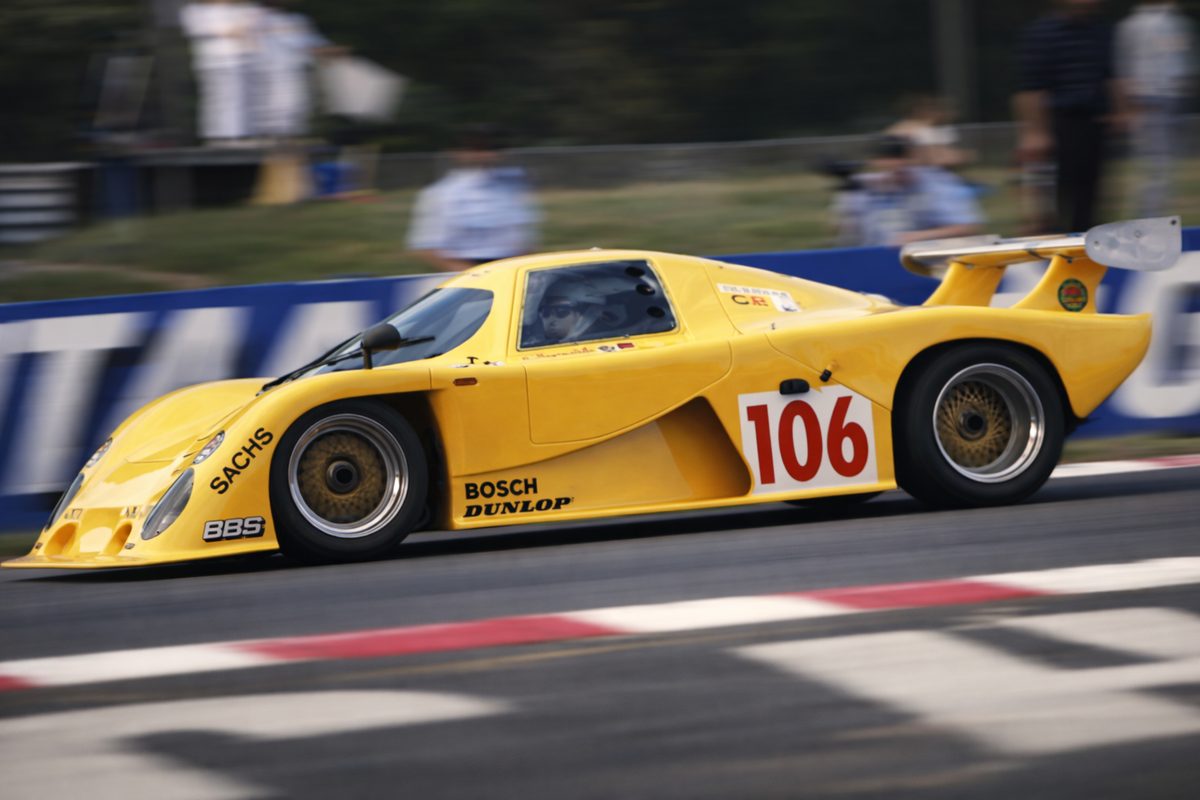
LOTEC C302
Group C2 — Le Mans 24 Hours Entrant
Le Mans Ambition.
The Final BMW Chapter.
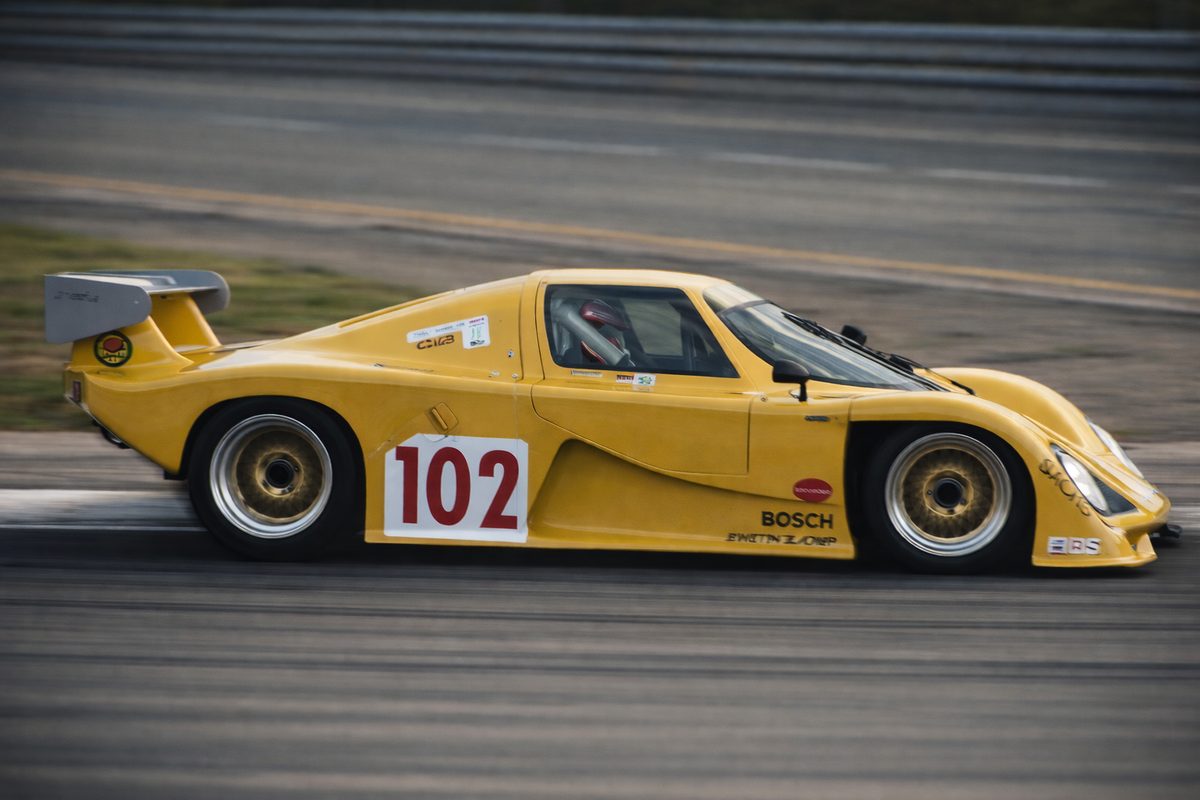
The LOTEC C302 was the most ambitious racing car to emerge from Kolbermoor. Built in 1985 as a Group C2 prototype, it was entered at the Le Mans 24 Hours — the most prestigious endurance race in the world. The car was driven by Martin Wagenstetter and Kurt Hild, entered by Motorsportclub Wasserburg.
The C302 ran with two different engine configurations during its career. For Interserie events, it used the proven BMW M88 straight-six (3,500 cc). For international Group C2 competition — including Le Mans — it was fitted with a Ford-Cosworth DFV V8 (2,993 cc), the legendary Formula 1 engine adapted for endurance racing. An earlier configuration used the Ford-Cosworth DFL (3,300 cc).
At Le Mans 1985, the C302 ran as #106 in its distinctive yellow livery with KATHREIN, SACHS, Shell, and BOSCH sponsorship on Dunlop tyres. The car did not qualify, but the attempt itself — a small workshop from Kolbermoor, Bavaria, building a car to contest the world's greatest endurance race — represented the peak of LOTEC's racing ambition.
Throughout 1985, the C302 also competed extensively in the Interserie and DRM. Results included 5th at Avus, multiple Interserie finishes at Wunstorf, Siegerland, and Nürburgring, and DRM entries at Norisring and Hockenheim 1000km. The car was the final chapter of LOTEC's BMW-era racing programme before the transition to Mercedes-Benz engines.
The 1985 Le Mans 24 Hours was dominated by Porsche, with the factory 956 and 962C filling the top positions. The C302's entry as #106 — a privateer Group C2 car from a small Bavarian workshop — was a statement of intent. While the car did not qualify, the Le Mans attempt marked the furthest reach of LOTEC's racing programme and demonstrated Lotterschmid's willingness to compete at the highest level of international motorsport. A second Le Mans entry was planned for 1986 with Bruno Sotty, but the car did not arrive.